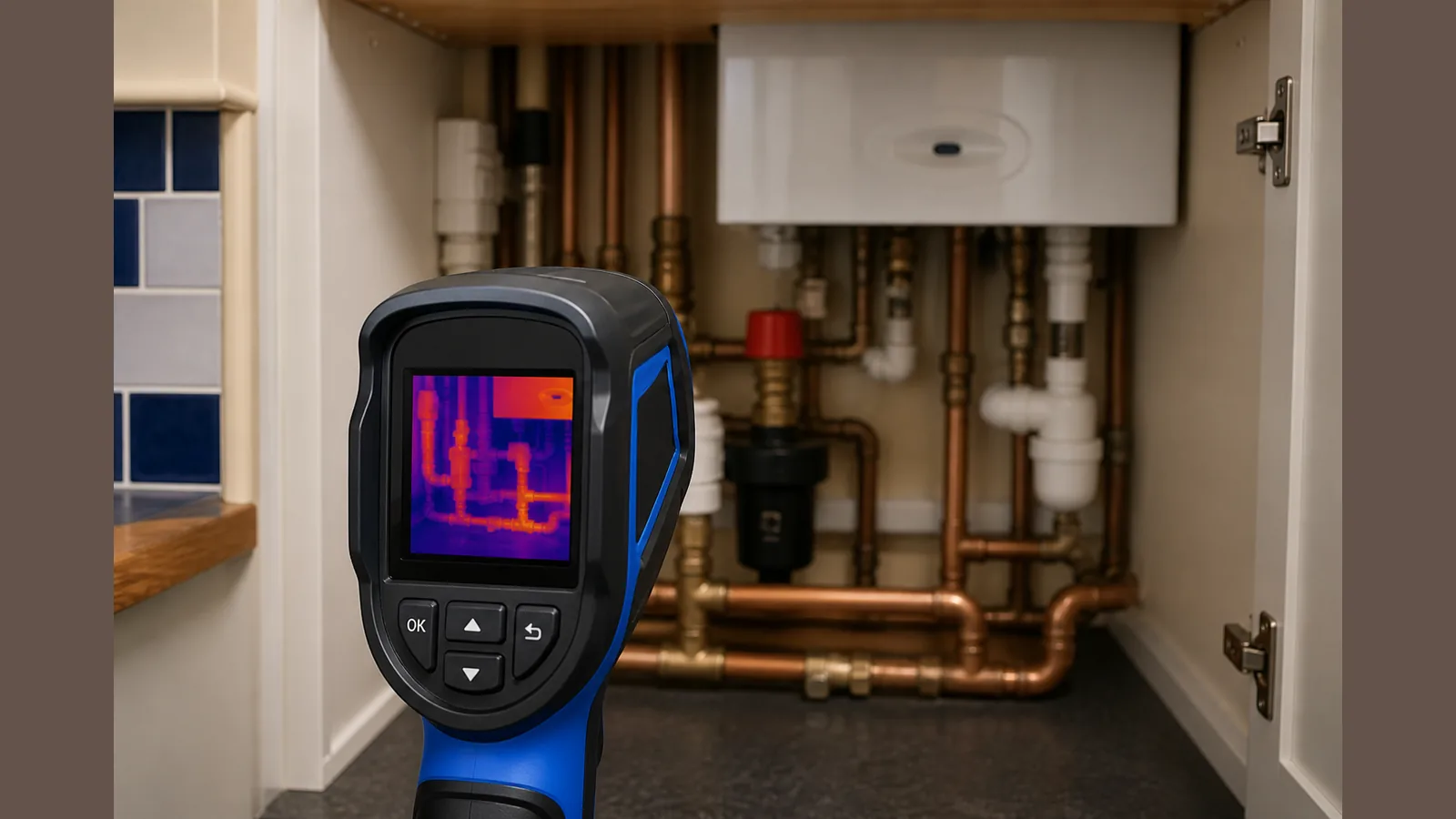
UK buyer guide thermal camera: UK Practical Guide
Direct buyer answer
A practical UK buyer guide thermal camera decision starts with your job, budget and the listing facts you can verify—not marketing headlines. Match resolution class, sensitivity language and stated range to how you will actually use the camera, then compare budget and premium options against the same checklist before you buy.
What to check on the listing
Use a short checklist before buying a thermal camera in the UK so you compare like with like:
- Infrared resolution class as stated on the product page (for example, a handheld model listed in the 240×240 IR class)
- Sensitivity and temperature-range wording as written on the listing—do not assume accuracy figures that are not shown
- Battery, charging and runtime claims only as the seller states them; skip any hours you cannot see on the page
- Detection or measurement distance only if the listing gives it; do not infer range from marketing photos
- What is in the box, warranty route for UK delivery, returns and after-sales support
- Amazon vs specialist for thermal camera UK: marketplace convenience versus specialist advice, calibration support and clearer application guidance
Independent buying guides stress that the right model depends on needs, budget and application, and that resolution, sensitivity and range are the features worth comparing carefully.
Fit and use-case questions
Ask yourself what you need the camera to show, how often you will use it, and whether a budget vs premium thermal camera UK choice is justified by your workflow:
- Are you checking building fabric, electrics, plant rooms, or general troubleshooting?
- Do you need handheld portability more than desk-side analysis tools?
- Is a compact option such as the TOPDON TC004 Mini handheld thermal camera (listed in the 240×240 IR class) enough for spot checks, or do you need a higher-spec class for finer detail?
- Will you mainly review still frames on-site, or export images for reports?
If you are new to thermal imaging, start with how cameras work and which applications matter for you, then shortlist models that match that use case rather than the highest price on the page.
Claim-safe caveats
Keep claims tied to the listing and reputable guides:
- Do not treat IR resolution as proven beyond what the product page states
- Do not assume temperature accuracy guarantees that are not published on the offer
- Do not rely on invented battery-hour tests or detection distances
- UK comparison round-ups can help you see who each type of camera suits and what to check before buying, but they are not a substitute for the seller’s own specifications
Choosing the right thermal camera depends on your needs, budget and application—compare the features that matter for your job, then verify them on the listing you intend to purchase.
Next step
If a compact handheld in the 240×240 IR class fits your checks, review the TOPDON TC004 Mini handheld thermal camera product details and confirm every specification against your own checklist before you order.
FAQ
What should a UK buyer compare first?
Start with stated IR resolution class, sensitivity and range language, then confirm accessories, support and returns for UK delivery.
Is Amazon or a specialist better for a thermal camera in the UK?
Amazon can be faster for fulfilment; a specialist may give clearer application advice. Either way, judge the camera on verified listing facts, not channel alone.
When is a budget model enough versus a premium one?
Choose budget when the listed resolution class and features cover your routine checks. Consider premium only when your work needs capabilities the budget listing does not claim.
Can I rely on detection distance or battery-hour claims from reviews alone?
No. Use only distances and runtime figures published on the product listing you are buying from, and treat third-party commentary as context, not proof.