Checklist before buying thermal camera UK: UK Practical Guide
A practical checklist before buying thermal camera UK buyers can use is: confirm the job you need the camera for, match resolution and sensitivity to that job, read the full specification sheet before checkout, run a fitment and safety check, and stop if claims or listings look incomplete or contradictory.
Direct answer checklist
Work through these points in order before you pay:
- Write down the intended use (building checks, electrical work, DIY troubleshooting, or general inspection) so features match the job rather than marketing copy.
- Prioritise image quality and measurement suitability: detector resolution matters because higher-resolution detectors generally produce clearer thermal images for analysis.
- Note sensitivity and working range as listed by the seller, then compare them with your typical distances and temperature contrast—not with invented performance promises.
- Complete a fitment check before buying thermal camera hardware: handheld form factor, screen readability, storage of images, and any app or export needs stated on the listing.
- Read specs before Amazon checkout thermal camera purchases: IR resolution class, temperature range if stated, power method, included accessories, and what is explicitly excluded.
- Plan safety checks before using thermal camera equipment: safe approach distances, electrical isolation rules for your trade, and never treating a thermal image as a substitute for proper testing procedures.
Independent UK buying guidance likewise stresses matching the camera to needs, budget and application, with resolution, sensitivity and range among the features to weigh carefully.
Pre-checks
Before you shortlist models, clarify scope and evidence—not brand slogans.
- Job definition: What must you see (coarse hotspots versus finer detail)? That drives how much weight you give resolution and optics on the listing.
- Environment: Indoors or outdoors, typical stand-off distance, and whether you need stills, video, or simple spot readings as described by the seller.
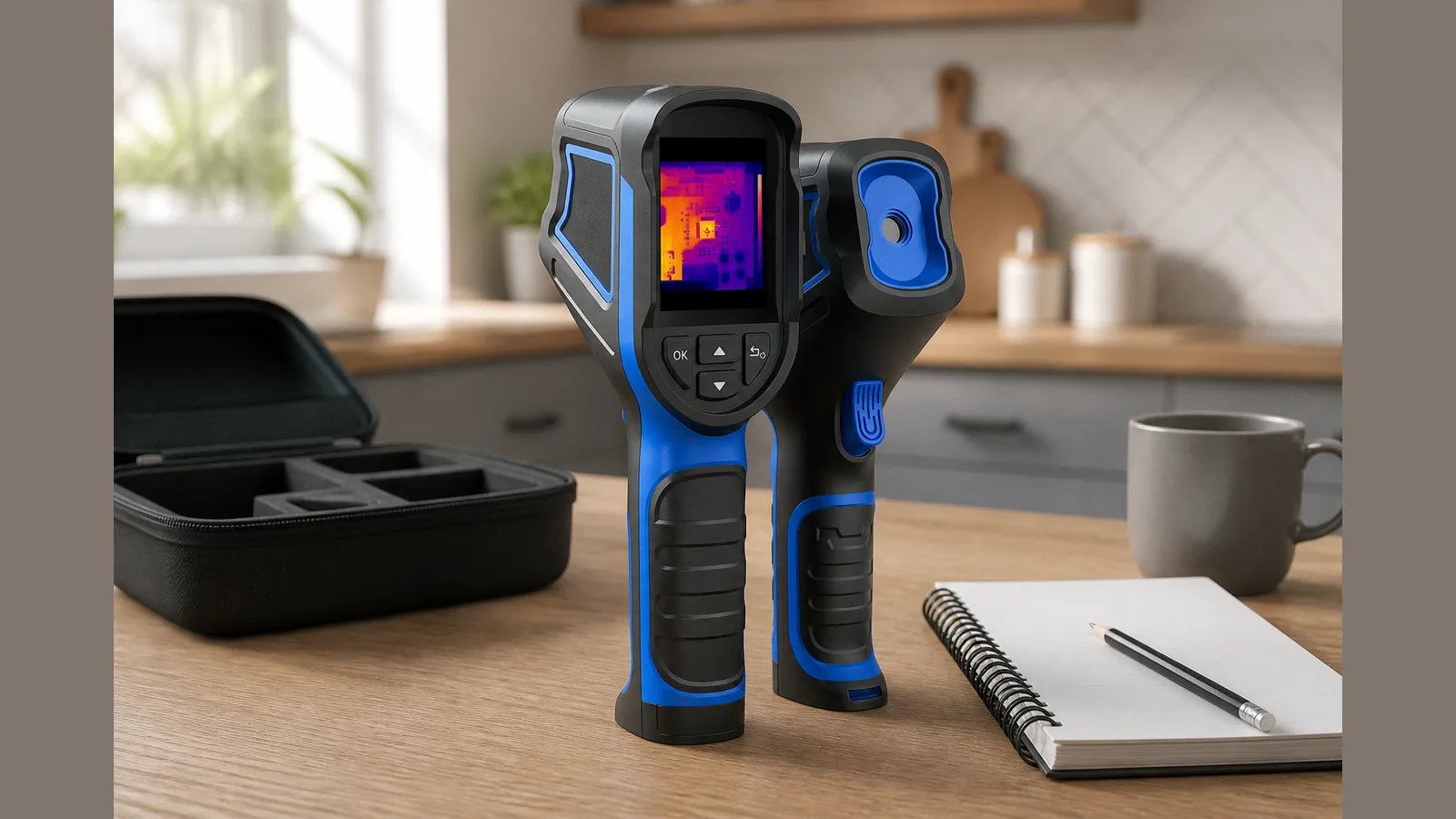
- Specification sheet: Cross-check IR resolution class, stated temperature range (if any), and accessory pack against your notes. For a compact handheld example such as the TOPDON TC004 Mini (listed in the 240×240 IR class), use only what the product page states—do not assume accuracy figures, battery-hour results, or detection distances that are not written there.
- Budget band: Decide what you will not compromise on (for example, usable image detail for your task) versus nice-to-haves.
- Support path: Note warranty wording, returns, and how firmware or software updates are described, if at all.
UK retailer guides also point readers toward structured “things to consider” checklists covering the same decision areas before purchasing an infrared camera.
Red flags to stop
Pause or walk away if you see any of the following:
- No clear IR resolution class or conflicting figures across title, bullets and datasheet.
- Guarantees of temperature accuracy, battery run-time, or maximum detection distance that are not backed by the listing’s own stated specifications.
- Vague “professional grade” language with no measurable features tied to your use case.
- Missing returns, warranty, or seller identity details that matter for UK consumer purchases.
- Pressure to buy before you have compared resolution, sensitivity and range to your written requirements.
Record-keeping tips
Keep a simple buying file so you can justify the choice later and use the camera safely:
- Save the product page URL, date accessed, and a copy or screenshot of the specification block you relied on.
- Record your intended applications and the minimum features you required (resolution class, form factor, export needs).
- After purchase, log serial or SKU details from the invoice and note the first functional checks you performed against the manual—without inventing test results.
- Store any calibration or care instructions supplied with the unit alongside your site or job notes.
Next step
If a compact handheld option in the 240×240 IR class fits the checklist above, review the live specification and packing details on the TOPDON TC004 Mini handheld thermal camera product page before you decide.
FAQ
What should I prioritise first on a UK thermal camera checklist?
Start with the job, then image quality and measurement suitability. Higher-resolution detectors generally support clearer thermal images for analysis; pair that with sensitivity and range that match how you will actually work.
Is a fitment check before buying thermal camera gear really necessary?
Yes. Handheld size, display use, and how you will save or share images often matter as much as headline resolution when you are on site.
What counts as reading specs before Amazon checkout for a thermal camera?
Confirm IR resolution class, any stated temperature range, power and accessories, and that marketing claims do not exceed the written specification—especially for accuracy, battery life, or distance.
Which safety checks before using thermal camera tools apply after purchase?
Follow the manufacturer’s instructions, keep safe working distances, respect electrical and site rules for your trade, and treat thermal images as supporting information—not a replacement for proper diagnostic procedures.